
Your pet’s senior years can be some of the best you share together. They also bring changes that are easy to dismiss as “just getting older,” such as slowing down on walks, sleeping more, or skipping the jump onto the couch. Many of these changes are signs of treatable conditions, and catching them early makes a real difference in your pet’s comfort and quality of life.
Fish Creek Animal Hospital provides senior pet care for dogs and cats in Montgomery, TX. Helping older pets enjoy a good quality of life is a special focus for our team, including Dr. Melissa Pawlowski, who especially enjoys helping older pets maintain a good quality of life. We combine more frequent exams, in-house diagnostics, and practical guidance for home so your aging pet stays comfortable and engaged. We care for senior dogs and cats from Montgomery, Conroe, The Woodlands, and Huntsville.
When Is a Pet Considered a Senior?
- Dogs: Most are considered seniors around age seven. Large breed dogs age faster and may need senior care starting at five or six.
- Cats: Most enter their senior years between seven and ten.
Pets age much faster than people, with each year roughly equal to four to seven human years depending on species and size. That’s why we recommend senior wellness exams twice a year instead of once.
Signs of Aging to Watch for at Home
You see your pet every day, so you’re often the first to notice a change. Let us know if your dog or cat shows:
- Stiffness, limping, or reluctance to climb stairs or jump
- Changes in appetite, thirst, or urination
- Weight gain or loss, or visible muscle loss
- Accidents in the house or trouble using the litter box
- Restlessness, pacing, or anxiety at night
- More vocalizing, such as barking, meowing, or groaning
- Less grooming, or over-grooming one spot
- Hiding, withdrawal, or irritability when touched
- New lumps or bumps, coughing, or breathing changes
- Bad breath, dropping food, or chewing on one side
Weighing your pet monthly and jotting down changes between visits gives us valuable information during exams.
Common Health Conditions in Senior Dogs and Cats
Arthritis and Joint Pain
Arthritis affects the majority of older dogs and many cats, and pets are very good at hiding the pain. Dogs may be stiff after resting or less eager to exercise. Cats may stop jumping onto favorite perches, avoid high-sided litter boxes, or groom less. Arthritis is far more treatable than many owners realize, with options like anti-inflammatory medications, weight management, joint supplements, therapeutic diets, and simple home changes like ramps and orthopedic bedding. Learn more about our arthritis care.
Cognitive Decline (Dog and Cat Dementia)
Cognitive dysfunction syndrome affects senior pets much like dementia affects people. It can cause confusion, disrupted sleep and nighttime restlessness, increased vocalization, and changes in behavior or house training. These same signs can also come from pain, urinary or kidney problems, or other illnesses, so a thorough senior exam is the first step to finding the cause and the right plan.
Kidney Disease, Diabetes, and Thyroid Disorders
Kidney disease develops gradually and often shows no symptoms until significant damage has occurred. Diabetes and thyroid disorders also become more common with age. Regular blood work is the best way to catch these conditions early, when management is most successful.
Dental Disease
Dental disease worsens with age and can spread bacteria into the bloodstream, affecting the heart, liver, and kidneys. Treating it often improves comfort and appetite. See our dental care services.
Heart Disease, Cancer, and Vision or Hearing Loss
Heart disease, cancer, and vision or hearing loss also become more common as pets age. Regular physical exams help us find new masses and other changes early.
What a Senior Wellness Exam Includes
A senior pet health assessment builds on a standard wellness exam with extra attention to age-related changes:
- A thorough physical exam, including joints, body condition, muscle tone, and the mouth
- Blood work, including a complete blood count, chemistry panel, and thyroid testing
- Urinalysis and blood pressure measurement when needed, since high blood pressure is common in older cats
- Chest X-rays or ultrasound through our veterinary diagnostics when a closer look is needed
- A pain and quality-of-life check, plus a review of medications and diet
Keeping Senior Pets Comfortable at Home
- Nutrition: Senior pets may need fewer calories as they slow down, or a calorie-dense diet if they are losing weight. Our nutritional counseling team can help choose the right food, including prescription diets for kidney, joint, dental, or cognitive support.
- Gentle exercise: Regular, low-impact activity helps maintain muscle and a healthy weight.
- Home adjustments: Ramps, orthopedic bedding, and low-sided litter boxes make daily life easier for stiff joints.
- Preventive care: Parasite prevention and appropriate vaccinations still matter in the senior years, and we adjust your pet’s plan based on their health and lifestyle.
Why Choose Fish Creek Animal Hospital for Senior Pet Care?
Founded by Dr. Kevin Wheeler in 2021, Fish Creek Animal Hospital is a privately owned practice for dogs and cats in Montgomery. Our doctors personally follow up on lab results and take time to understand your pet’s history, which matters when managing chronic conditions over months and years. We treat your senior pet like the neighbor they are, with respect for the years of companionship they’ve given you.
Schedule a Senior Pet Visit
If your dog or cat is seven or older, or you’ve noticed any of the changes above, request an appointment for a senior wellness exam.
Senior Care Services
Senior Pet Health Assessments
Senior pet health assessments help detect age-related issues early, keeping your older pets healthy and comfortable.
Learn MoreArthritis Care
Watching your dog slow down or your cat stop jumping can feel like inevitable aging, but for millions of pets, arthritis is far more treatable than owners realize, and early care can dramatically change a pet's comfort and quality of life.
Learn MoreFrom Our Blog
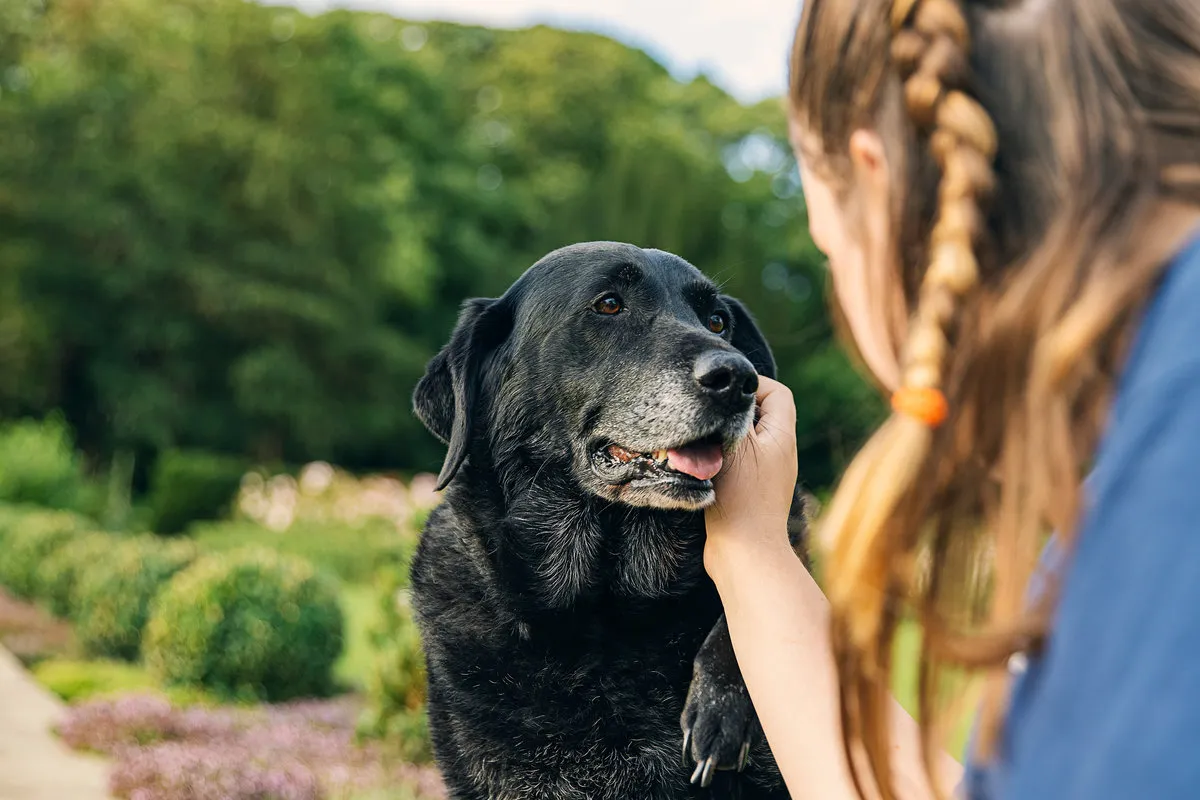
Signs Your Senior Pet May Need Arthritis Care
Slowing down, stiffening up, and avoiding activities they once loved are often the earliest signals of arthritis in senior pets. Learn what to watch for so you can get your pet the care they need.
Read More →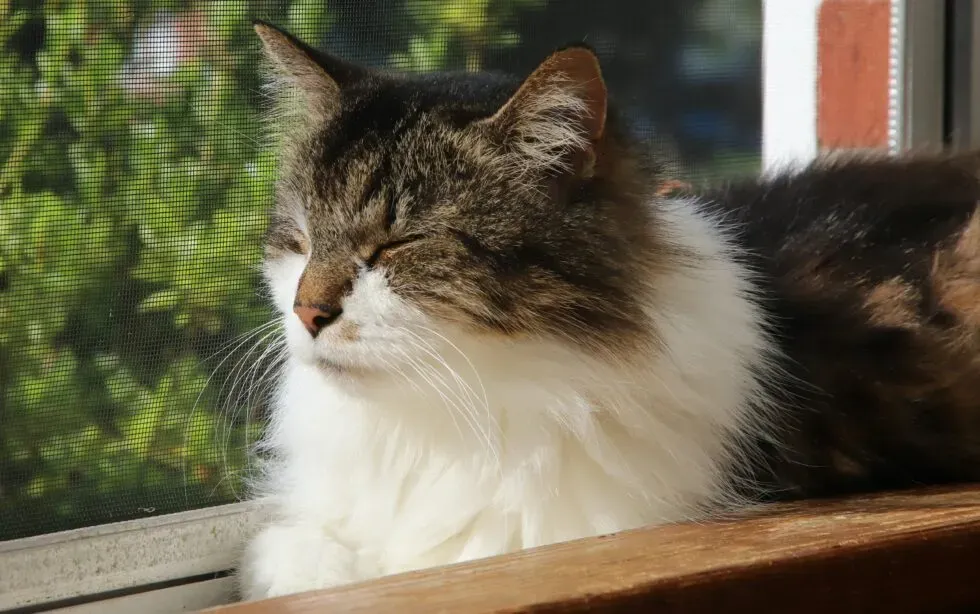
Nurturing Senior Cats During National Cat Health Month
February is National Cat Health Month, a time dedicated to prioritizing the well-being of our beloved feline friends. This year, let's shine the spotlight on our senior cats and how to ensure they enjoy their golden years in good health.
Read More →
The Beauty of Adopting Senior Pets and Their Endearing Qualities
In a world that often focuses on the youthfulness of puppies and kittens, senior pets' wisdom and love go unnoticed. This post highlights the many benefits of giving an old furry friend a forever home.
Read More →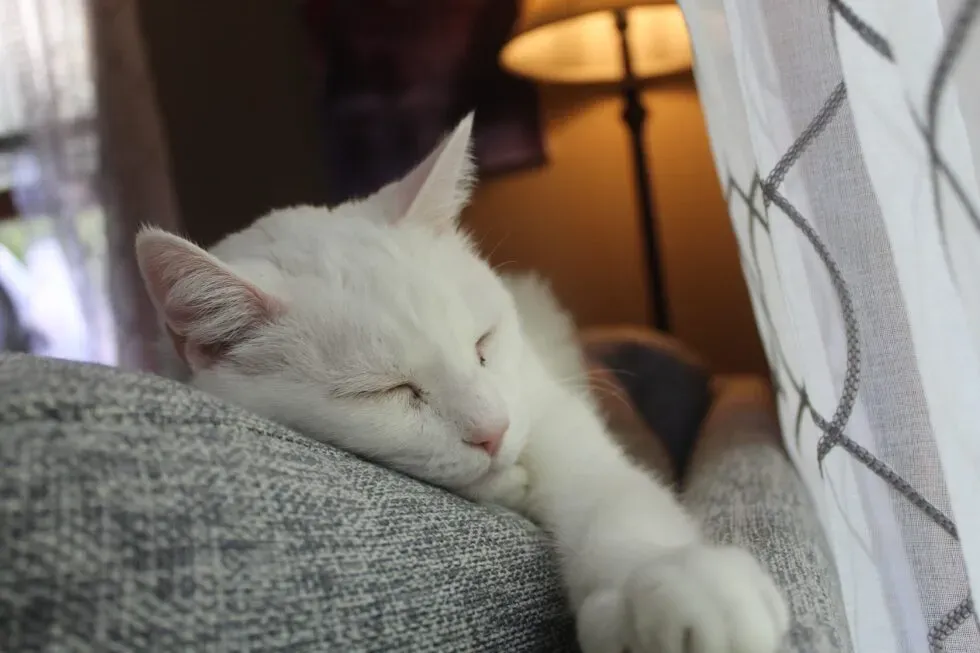
Helping Your Arthritic Cat
Cats rarely complain, which can make determining that they are suffering from arthritis pain difficult. These simple home modifications can help improve your cat's comfort and mobility.
Read More →See all Senior Pet Care articles
Frequently Asked Questions
At what age is a dog or cat considered a senior?
Most dogs and cats are considered seniors around age seven. Large breed dogs age faster and may need senior care starting at five or six years old, while cats typically enter their senior years between seven and ten.
How often should a senior pet see the vet?
We recommend wellness exams twice a year for senior pets instead of once. More frequent visits let us spot changes early, when conditions like kidney disease, arthritis, and thyroid disorders are easier to manage.
What are the signs of dementia in dogs and cats?
Cognitive dysfunction, similar to dementia in people, can cause confusion, restlessness or anxiety at night, changes in sleep patterns, increased vocalization, and house soiling. These signs can also point to pain or other medical problems, so a senior exam is the best first step.
Is my pet slowing down because of age or arthritis?
Stiffness after rest, reluctance to climb stairs or jump, and less interest in exercise are often signs of arthritis, not just aging. Arthritis is very treatable, so it's worth having your pet evaluated.