
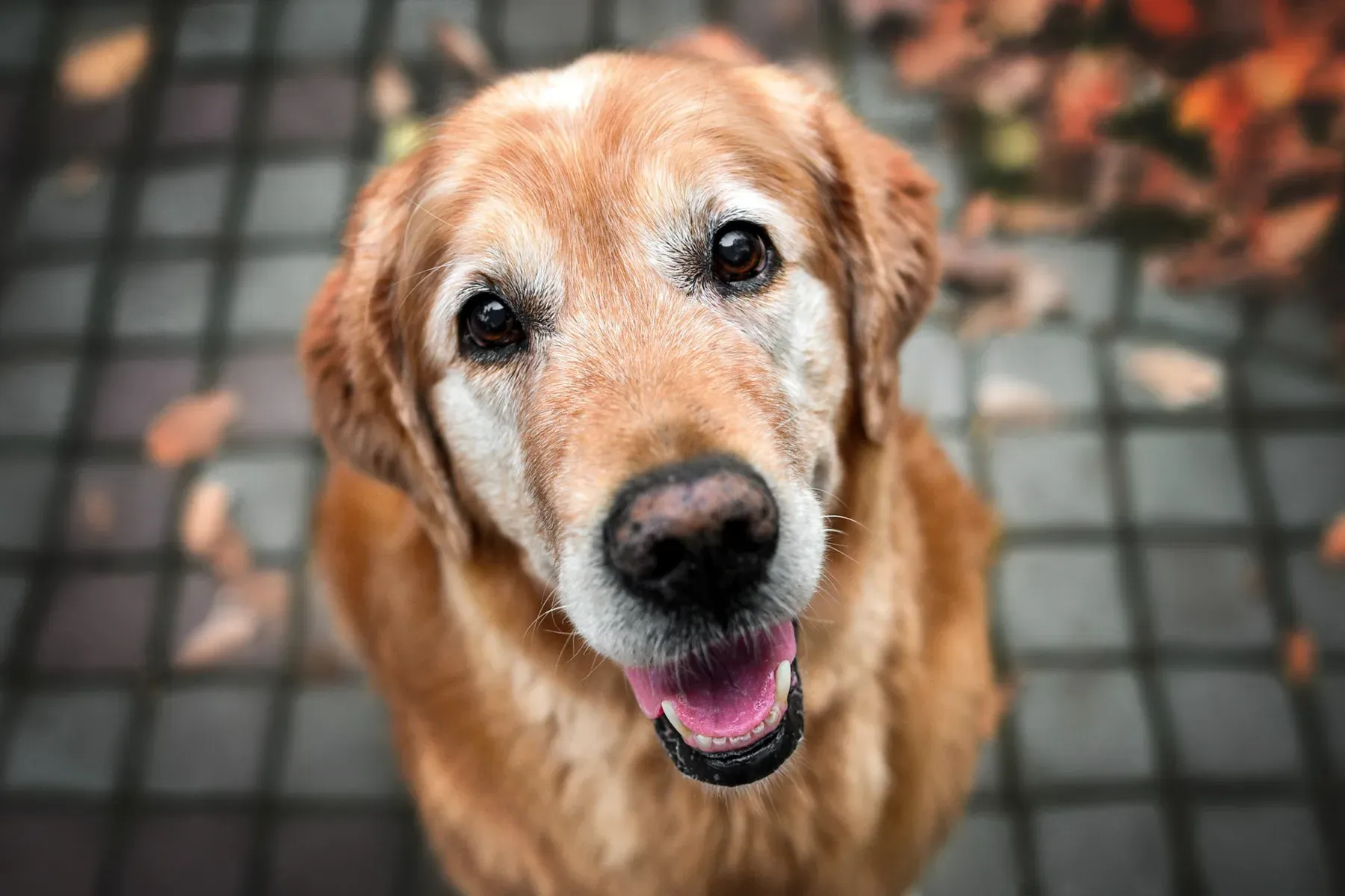
Many owners first notice dementia in dogs at night: a dog who paces the house at 2 a.m., or stands in a corner staring at the wall. Other changes are quieter, like a dog who stops responding to a command they have known for years, or has an accident indoors after years of reliable house training. These changes can feel like losing the dog you know a little at a time. They are also a medical condition, and there is help. Fish Creek Animal Hospital in Montgomery, TX supports aging dogs and their owners through senior pet care that takes cognitive changes seriously.
What Is Dementia in Dogs?
Veterinarians call it cognitive dysfunction syndrome. Cornell University College of Veterinary Medicine describes it as a common age-related disease that affects the brain and causes deterioration similar to Alzheimer’s disease in people. Over time, brain cells waste away, and the brain loses some of its ability to process information. That breakdown is what produces the changes you see at home.
Most dogs reach their senior years around age seven, but dementia tends to show up later. Cornell notes that dogs may start to develop it around nine years of age or older. It is also easy to miss, because the changes progress slowly and many owners assume they are just a normal part of aging.
What Dementia Looks Like at Home
Dementia can begin with a single change and add more over time. Here is how it often appears across a day.
At night, you may find your dog wandering the house, pacing, or restless, then sleeping more during the day. Sleep changes are among the most common signs.
Around the house, a dog may get lost in a familiar room, end up stuck in a corner, or stare into space. Some dogs begin urinating or defecating indoors after years of being house-trained.
With people, a dog may turn suddenly clingy or pull away, or seem not to recognize someone familiar. Anxiety, new fears, and irritability can appear too.
In daily life, you may notice less interest in play, or a dog who no longer responds to commands they once knew and has a hard time learning new ones.
Is It Dementia or Something Else?
Several other problems can look just like dementia. Pain, including arthritis, can keep a dog restless at night. Urinary or kidney problems can cause accidents, and vision or hearing loss can leave a dog confused or startled. That is why a veterinary exam comes first. Your veterinarian performs a physical exam and recommends blood and urine tests to rule out these conditions, and in some cases advanced imaging is used to rule out other causes.
There is a hopeful side to this. Some of what looks like dementia turns out to be treatable, and sorting out the cause is the first step toward helping your dog feel better.
What to Do When You Notice Changes
A simple log gives our veterinarians a clearer picture than memory alone. Before the appointment, jot down:
- What time your dog wakes at night and what they do.
- Any indoor accidents, and whether they follow a pattern.
- Commands or routines your dog has stopped following.
- Changes in mood, such as new clinginess, fear, or irritability.
- The names and doses of any medications or supplements your dog takes.
Most owners notice these changes gradually and wonder if they waited too long. Bring the notes you have, and start from there.
What Happens at the Vet Visit
The visit starts with a conversation about what you have seen at home. Our veterinarians then examine your dog from nose to tail, check for pain, and review medications and diet. For senior dogs, we recommend wellness exams twice a year, which gives us more chances to catch cognitive changes and other age-related conditions early.
A senior exam includes routine blood work with a complete blood count, chemistry panel, and thyroid testing, plus a urinalysis when needed. Our doctors personally follow up on the lab results, so you hear what they mean for your dog.
Helping Your Dog at Home
There is no single treatment for dementia, but daily habits can help support your dog’s brain and comfort:
- Play and enrichment: Regular play, varied or interactive toys, and regular exercise stimulate the brain. Gentle senior pet exercise ideas work well for older dogs.
- Nutrition: Some prescription diets are rich in antioxidants, fatty acids, and other nutrients that support the brain. Our nutritional counseling team can help you decide whether one fits your dog.
- Other health conditions: Conditions like arthritis and excess weight need attention alongside dementia, so your veterinarian will address them as part of the plan.
Check with your veterinarian before adding any supplement, since the right choice depends on your dog’s health and any other medications.
Treatment and What to Expect
Dementia is slowly progressive, and there is no cure. Cornell notes that early intervention with diet, enrichment, and medication can help slow its progression and improve quality of life, while dogs with severe signs or other medical problems often respond less well to therapy. Our veterinarians talk through realistic options with you, including medication for specific problems such as anxiety, and adjust the plan as your dog’s needs change.
Schedule a Senior Dog Exam in Montgomery, TX
If your dog has started pacing at night, getting lost in familiar rooms, or forgetting house training, Fish Creek Animal Hospital offers senior wellness exams for dogs in Montgomery, TX. We also welcome pet owners from Woodforest, Conroe, Magnolia, and Two Step Farms. Appointments are available Monday through Friday from 8 a.m. to 6 p.m., and on the first and third Saturday of each month from 8 a.m. to noon.