
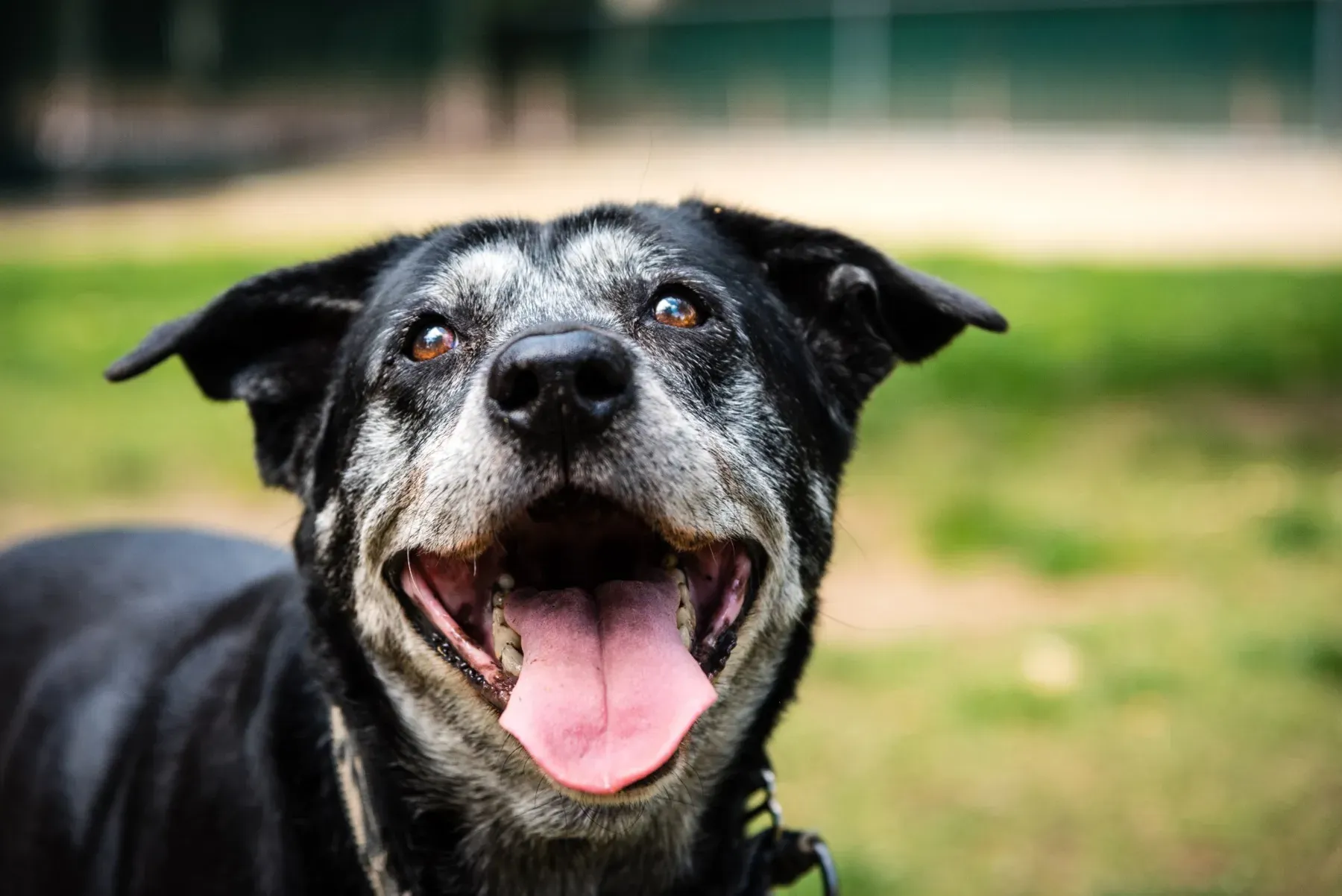
The first sign is rarely dramatic. Your dog takes the porch step a little slower, or waits a beat before jumping into the truck, and you chalk it up to a long day. A few weeks later you realize they have stopped meeting you at the door. Small shifts like these are the signs of aging in dogs, and nearly all of them are easy to explain away.
This post covers what owners tend to notice first, what may be behind each change, and how to decide when it is time to call the vet. Fish Creek Animal Hospital provides senior dog care in Montgomery, TX, and none of what follows means you missed something. Dogs are good at hiding that they hurt.
When Does a Dog Count as a Senior?
Most dogs reach their senior years around age seven, and large breeds get there sooner, often at five or six. A dog year works out to roughly four to seven human years depending on size, so a lot can change between one checkup and the next. That is why vets suggest seeing senior dogs twice a year instead of once.
The Slowdown You Notice on Walks
Mobility changes usually show up first. Your dog lags behind on the walk, takes a moment to get up after a nap, or hesitates at the stairs and the car door. It is easy to read that as a dog who is just tired. More often it is stiffness, and arthritis affects most older dogs.
The encouraging part is that arthritis is more treatable than many owners realize. Medication, weight management, joint supplements, and small changes at home can all help a dog feel better. If this sounds familiar, our post on the early signs of arthritis in senior pets goes deeper, and arthritis care starts with an exam.
Changes Around the Food and Water Bowls
Pay attention to the bowls. You may be refilling the water more often, letting your dog out more times a day, or noticing that the waistline has disappeared, or that ribs and hips look sharper than they used to. Appetite changes, weight gain or loss, and muscle loss can all point to something more than age. Kidney disease, diabetes, and thyroid disorders become more common in older dogs.
Kidney disease is the quiet one. It develops slowly and often shows no symptoms until significant damage has occurred, so a dog can seem completely fine and still have a problem. Routine blood work is how vets catch it early.
Bad Breath and Picky Chewing
Dog breath is never pleasant, but breath that turns truly foul, a dog who drops food, or one who chews on only one side usually points to dental disease. It gets worse with age and can spread bacteria into the bloodstream, which affects the heart, liver, and kidneys. Many dogs eat more comfortably once the mouth is treated, and our post on how dental disease affects senior pets explains why.
When the Nights Get Strange
Some changes have nothing to do with joints. A dog who slept soundly for years may start pacing at 3 a.m., whining, or barking at nothing. Others seem confused in rooms they know well, or have accidents in the house after years of perfect training. Owners often feel a mix of worry and guilt at this stage, and that is normal.
These signs can point to cognitive dysfunction syndrome, often called dog dementia. Pain, urinary problems, and kidney disease can cause the same restlessness and accidents, though, so a vet visit is the way to sort out the real cause. Our post on changing behavior in your senior pet has more on living with these shifts.
Lumps, Coughs, and Slower Senses
Run your hands over your dog every so often. A new lump, a cough that lingers, or changes in breathing deserve a prompt exam, since heart disease and cancer become more common with age. Vision and hearing fade gradually too. A dog who startles when you walk up behind them, or misjudges a step they have used for years, may be losing a bit of both.
How to Tell Aging From Something Treatable
Watching alone rarely settles it. A dog who sleeps more might be older or might be in pain, and a dog who drinks more might have a kidney or hormone problem. Patterns help. Weigh your dog monthly, jot down changes in appetite, mobility, sleep, and bathroom habits, and take a short phone video of the limp or the pacing. Those notes give the vet far more to work with than a description from memory.
A senior visit builds on a regular wellness examination with extra attention to joints, weight, and mouth, plus blood work and sometimes a urinalysis or imaging. The senior wellness exam is where those notes turn into a plan.
Making Home a Little Easier
You can start helping before the appointment. Ramps and orthopedic bedding take pressure off stiff joints, and regular, gentle walks help keep muscle and a healthy weight. Food needs change with age too, and our nutritional counseling can help you pick a diet. Parasite prevention and vaccinations still matter in the senior years, and we adjust your dog’s plan to their health and lifestyle.
Signs of Aging in Dogs: Common Questions
At what age is a dog considered a senior?
Most dogs are considered seniors around age seven. Large breed dogs age faster and may need senior care starting at five or six.
How often should a senior dog see the vet?
Twice a year. More frequent visits let us spot changes early, when conditions like kidney disease, arthritis, and thyroid disorders are easier to manage.
Is my dog slowing down because of age or arthritis?
Stiffness after rest, reluctance to climb stairs or jump, and less interest in exercise often point to arthritis rather than age alone. Arthritis is very treatable, so it is worth having your dog evaluated.
What are the signs of dementia in dogs?
Confusion, restlessness or anxiety at night, changes in sleep patterns, more vocalizing, and house soiling are the common signs. Pain and other medical problems can cause the same changes, so a vet visit is the best first step.
Senior Dog Care in Montgomery, TX
If your dog is seven or older, or you recognized your own dog in any of these scenes, a senior exam is a good next step. Fish Creek Animal Hospital welcomes dog owners from Woodforest, Conroe, Magnolia, and the rest of Montgomery County.