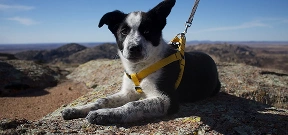
When Texas temperatures unexpectedly plummet, many pet owners underestimate how quickly cold weather can become dangerous for their furry companions. While our four-legged friends may have fur coats, that natural insulation often isn’t enough protection when winter storms sweep through Montgomery and the surrounding areas.
Fish Creek Animal Hospital understands the unique challenges Texas pet owners face during cold weather events. Our experienced veterinarians in Montgomery have treated countless pets affected by a wide range of health issues, and we’re here to help you keep your companions safe when temperatures drop. Whether you’re a longtime resident or new to the area, knowing how to protect your pets during cold snaps can prevent serious health complications and even save lives.
Understanding Your Pet’s Cold Weather Vulnerabilities
Not all pets handle cold weather the same way. Short-haired breeds, senior animals, puppies, kittens, and pets with existing health conditions face significantly higher risks when temperatures fall. Small dogs and cats lose body heat more rapidly than larger animals due to their size, making them especially susceptible to hypothermia. According to the Texas Humane Network, leaving animals outside in freezing temperatures violates Texas Penal Code 42.092, which mandates that pet owners provide necessary food, water, care, and shelter.
Pet owners must recognize symptoms that indicate their animal is suffering from cold exposure. Shivering is the body’s attempt to generate heat, but prolonged shivering exhausts energy reserves and means your pet needs immediate warmth. Lethargy, weakness, decreased responsiveness, cold ears and paws, pale or blue-tinted gums, and shallow breathing all signal that hypothermia may be progressing to dangerous levels. If your pet’s body temperature drops below normal ranges, contact an emergency vet right away.
Creating a Safe Indoor Environment
The simplest and most effective protection involves bringing your pets inside during cold weather. Set up a comfortable space away from drafts, with elevated bedding to prevent cold from seeping up through floors. Even animals that typically spend time outdoors should come inside when temperatures approach freezing. Monitor indoor temperatures, especially in homes with poor insulation or during power outages. Pets need access to warm, draft-free sleeping areas where they can maintain body heat throughout the night.
Essential Outdoor Precautions
When pets must go outside during cold weather, limit exposure to brief bathroom breaks. Consider protective gear like sweaters or coats for short-haired dogs, and booties protect sensitive paw pads from ice, salt, and chemical deicers. After outdoor time, thoroughly dry your pet’s coat and check paws for signs of injury, embedded ice, or chemical irritation. Cold weather increases your pet’s caloric needs as their bodies work harder to maintain core temperature, so pets spending any extended time outdoors require additional food.
Addressing Specific Cold Weather Hazards
Antifreeze poses a deadly threat during the winter months. This sweet-tasting chemical attracts pets but causes rapid kidney failure even in small amounts. Immediately clean any antifreeze spills and store containers securely out of reach. Salt and chemical ice melters irritate paw pads and become toxic if ingested through paw licking. Choose pet-safe deicing products for your property, and rinse your pet’s paws after walks through treated areas.
Cars present another cold-weather danger, as outdoor cats often seek warmth by climbing into engine compartments. Thump your vehicle’s hood before starting the engine to give any hidden animals time to escape. Winter storms can disorient pets, making them more likely to get lost, so ensure your pet’s identification tags and microchip information remain current.
Preparing for Winter Weather Emergencies
Assemble an emergency kit for your pets that includes at least five days’ worth of food, water, and medications. Include copies of veterinary records, a current photo of your pet, and contact information for your veterinarian. Pack extra blankets, a first aid kit, and any special dietary items your pet requires. Store this kit in an easily accessible location so you can grab it quickly if evacuation becomes necessary.
Trust Fish Creek Animal Hospital for Your Pet’s Winter Health
Fish Creek Animal Hospital has served the Montgomery community for over four and a half years, providing compassionate care to dogs and cats throughout Wood Forest, Conroe, Magnolia, The Woodlands, and surrounding areas. Dr. Kevin Wheeler, our founder and owner, established the practice with a vision to deliver exceptional yet accessible veterinary services to our neighbors. Our team is equipped to handle everything from routine wellness exams to urgent care needs.
Whether you need preventive care before winter arrives or emergency treatment for cold-related injuries, our full-service animal hospital stands ready to help. Our experienced veterinarians provide comprehensive diagnostics, surgical services, and personalized treatment plans tailored to your pet’s unique needs. Don’t wait until freezing temperatures arrive to ensure your pet’s safety. Contact us today to discuss your pet’s cold-weather safety needs and keep your furry family members healthy all winter long.

Reviewed By:
Dr. Kevin Wheeler
- Fact Checked
- Editor
Dr. Kevin Wheeler is a veterinarian and owner who developed a love for animals while growing up on his family farm in Katy, Texas. He earned his Doctor of Veterinary Medicine degree from Oklahoma State University College of Veterinary Medicine. His professional interests include soft tissue surgery, preventive medicine, internal medicine, and client education. Dr. Wheeler serves the local community from Woodforest to Montgomery, Conroe, and surrounding areas.